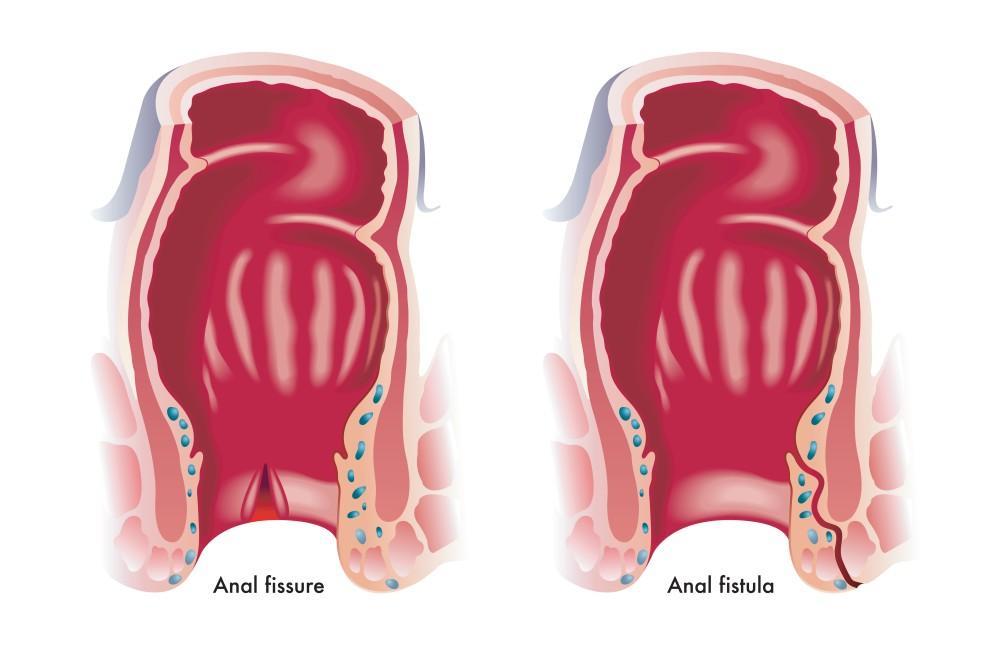
Fistula and fissure sound similar, and they can even involve similar symptoms. But they’re definitely different — very different — and that means treatment is a lot different, too.
The one thing they have in common: Early diagnosis and proper management are essential for healing. In this post, Michael H. Tarlowe, MD, explains each of these uncomfortable problems, including how they happen and what treatments can help.
What is an anal fissure?
An anal fissure is a small tear in the tissue that lines the anus. These tiny cuts often develop after passing a hard stool or straining during a bowel movement. Chronic constipation and persistent diarrhea can also irritate the sensitive tissue around the anus, making the area more prone to tears.
For many people, the most noticeable symptom of an anal fissure is a sharp, cutting pain during a bowel movement. Often, this discomfort continues after your bowel movement, and you might see a small amount of bright red blood on your toilet paper after wiping. When bowel movements are painful, it’s natural to want to avoid the experience and put off moving your bowels. But doing so can lead to constipation, hard stools, and worsening symptoms.
The good news: With the right care, anal fissures can heal on their own over time. Many people benefit from simple steps, like increasing fiber and fluid intake, using stool softeners, or applying prescription creams to promote faster healing. For more stubborn fissures, Dr. Tarlowe can recommend additional steps to speed healing and help prevent future fissures.
What is an anal fistula?
An anal fistula is a narrow tunnel that forms between an infected anal gland and the skin near your anus. These tunnels typically develop after an anal gland becomes blocked and infected, forming a pocket of pus and debris called an abscess. When the abscess drains, it creates a tunnel that allows the infected fluid to exit your body.
Fistulas typically cause persistent pain, swelling, redness, and tenderness around your anus. You might also notice pus or other foul-smelling fluid draining from a small opening in your skin. Sometimes symptoms seem to ease temporarily when the area drains, only to return shortly afterward.
Unlike fissures, fistulas rarely heal on their own. In most cases, fistula treatment focuses on draining the fistula and treating the tunnel itself to prevent recurrent infection and other complications. The right treatment depends on the fistula’s location and other individual factors. Dr. Tarlowe will discuss your options and recommend the optimal approach to help you heal and avoid future infections.
Why the right diagnosis matters
Fissures and fistulas can both cause pain and bleeding, but their treatment requirements are vastly different. While fistulas are typically more serious, when treatment is delayed in either case or if you use an inappropriate treatment, like an over-the-counter product that masks your symptoms rather than treating them, you increase your risk of potentially serious complications.
It’s also worth noting that other issues can cause similar symptoms, including relatively simple problems like hemorrhoids and life-threatening issues like colorectal cancer or inflammatory bowel disease (IBD). An early evaluation helps ensure you get the right care as soon as possible for the best outcome and prompt symptom relief.
Take the first step toward relief
If you notice any pain, bleeding, or drainage from your rectum or anal area, or if you’re experiencing any change in your regular bowel habits, these are symptoms that should never be ignored. Dr. Tarlowe and his team are skilled at diagnosing and treating fissures, fistulas, and other problems that could otherwise lead to more discomfort and serious complications.
Best of all, finding the right treatment starts with a single phone call and a simple office visit, so we can recommend the best next steps. To schedule your evaluation, call 954-210-7127 or request an appointment online with Dr. Tarlowe in Deerfield Beach, Florida, today.